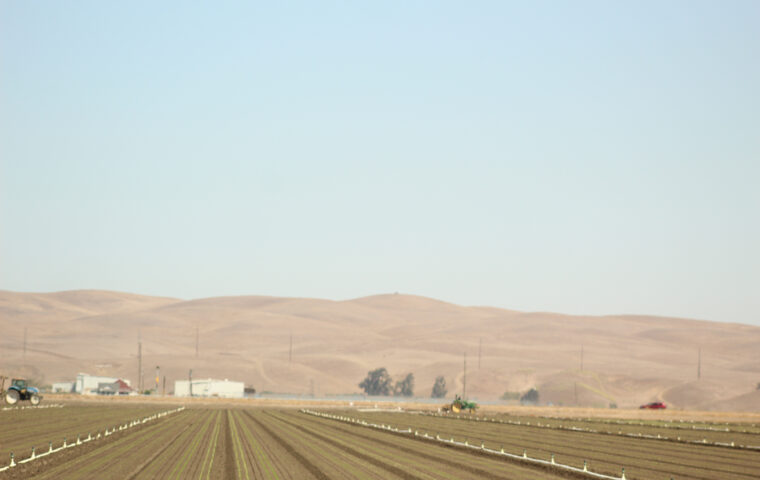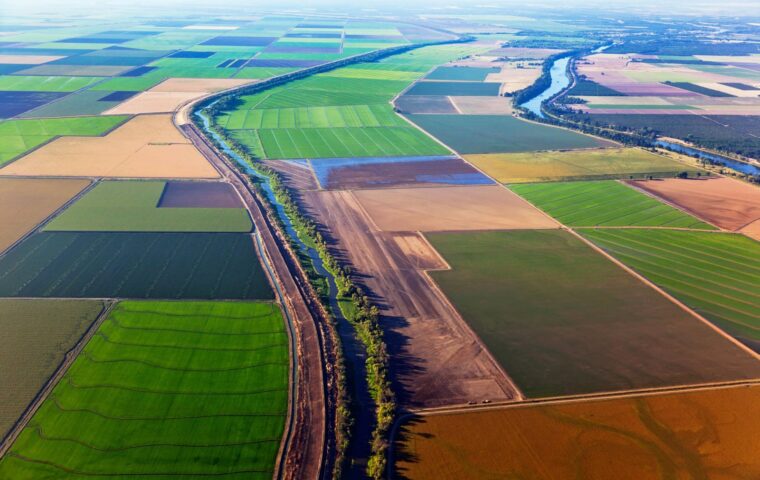
California agriculture is often described by its scale, but its real strength is diversity. The state’s farmers and ranchers produce more than 400 commodities, from milk, almonds and grapes to lettuce, strawberries, tomatoes and livestock. In 2024, California farms and ranches generated $61.2 billion in cash receipts, the first time the total passed $60 billion. Agricultural exports added another $23.8 billion, underscoring how closely California’s rural economy is connected to consumers across the country and around the world.
Those numbers are impressive, but they can also hide how difficult it has become to operate a successful agricultural enterprise in California. Today’s grower is not simply producing a crop. A farm must function as a water-management operation, a labor-intensive business, a regulatory compliance program, a technology platform and a global marketing enterprise, often at the same time.
Water Remains the Defining Constraint
Few business decisions in California agriculture can be separated from water. Groundwater supplies approximately 40% of statewide demand in average years and nearly 60% in dry years. That makes groundwater essential to farms, communities and the broader economy, but decades of heavy reliance have also placed many basins under serious strain.
The Sustainable Groundwater Management Act has moved California into a new phase of local groundwater planning. Groundwater Sustainability Agencies are implementing plans intended to bring high- and medium-priority basins into long-term balance. For growers, that can mean pumping limits, fees, new monitoring requirements or uncertainty about how much water will be available to support permanent crops.
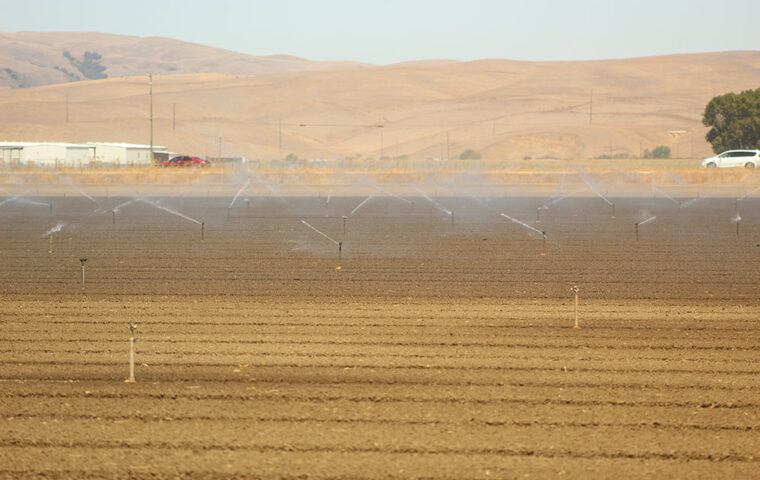
Recent wet years and groundwater recharge efforts have provided some relief. California reported continued gains in groundwater storage during 2023, 2024 and 2025, including a 2.2 million acre-foot increase across 98 basins during Water Year 2024. Still, one favorable period does not erase the long-term challenge. Farm businesses must plan for both scarcity and volatility, investing in efficient irrigation, soil-moisture monitoring, recharge projects and cropping decisions that reflect realistic water budgets.
Rising Costs Meet Narrower Margins
Water is only one part of the cost equation. California growers face high expenses for labor, electricity, fuel, fertilizer, crop protection, equipment, insurance and regulatory compliance. Many specialty crops are particularly labor intensive, and USDA research has found that labor is often one of the largest production costs for fruit and vegetable growers.
The challenge is not simply that wages are higher. Farms also need dependable crews with specialized skills, from pruning and harvesting to irrigation management, equipment operation and food-safety documentation. When labor is scarce, growers may lose production, delay fieldwork or invest in automation before the technology is fully practical for their crop.
At the same time, higher production costs cannot always be passed along to buyers. Commodity prices may be determined by global supply, processor capacity, contracts, retail demand and export conditions. California exported $23.8 billion in agricultural products in 2024, making international markets a major opportunity as well as a source of risk. A grower can make sound agronomic decisions and still struggle financially if the market price does not cover the cost of producing, harvesting and delivering the crop.
Climate Pressure Becomes Operational Pressure
California agriculture has always dealt with difficult weather. What is changing is the frequency, intensity and timing of disruptions. Extreme heat can reduce photosynthesis, damage fruit, increase water demand and create dangerous conditions for employees and livestock. Warmer winters can reduce the chill accumulation needed by some tree fruit and nut crops. Flooding can delay field access and damage infrastructure, while drought can reduce surface-water deliveries and increase dependence on groundwater.
Pests and diseases are also part of the climate conversation. California agricultural officials identify increasing pest and disease pressure, reduced surface-water availability, higher evapotranspiration and saltwater intrusion in coastal aquifers among the risks facing agriculture. These effects vary by region and commodity, but the business consequence is similar: more uncertainty and a greater need for timely information.
A successful farm enterprise must therefore build resilience into its annual plan. That may include adjusting varieties, improving soil health, upgrading irrigation systems, strengthening integrated pest management programs, protecting workers during heat events and maintaining financial reserves for years when production or prices fall short.
Regulation Is a Core Management Function
California agriculture operates within an extensive system of environmental, labor, food-safety and pesticide regulations. Many of these rules address legitimate public priorities, including worker protection, clean water, safe food and responsible resource use. The difficulty for farm businesses is managing the cumulative workload.
A requirement that seems manageable on its own may become burdensome when layered with reporting deadlines, training requirements, permit conditions, recordkeeping and inspections. Smaller and family-run operations can be especially affected because they may not have dedicated human-resources, legal or compliance staff. UC Agriculture and Natural Resources notes that agricultural employers must continually follow new laws and regulatory requirements to avoid confusion, fines and legal exposure.
This makes professional management increasingly important. Growers must understand not only what is required today, but what may change next season. Pest control advisers, certified crop advisers, irrigation specialists, accountants and industry organizations have become essential parts of the modern farm’s decision-making network.
Innovation Is Necessary, but It Must Pay
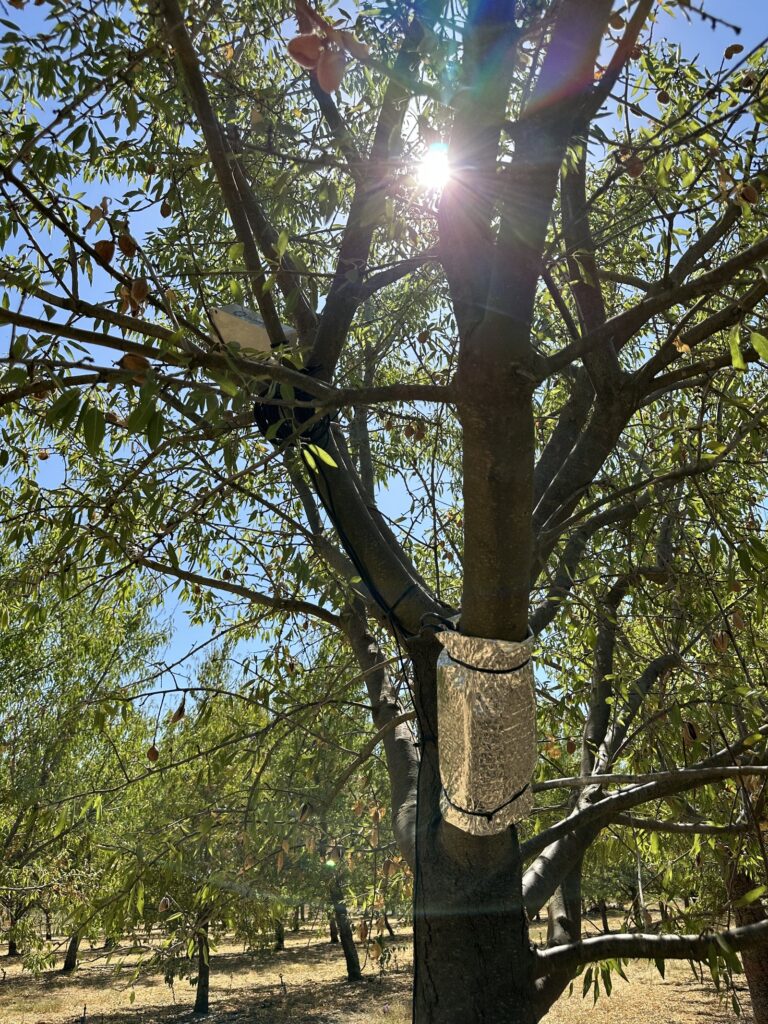
California growers are frequently early adopters. Precision irrigation, remote sensing, automated equipment, digital recordkeeping, biological products and improved plant material all offer opportunities to reduce risk or improve efficiency. Yet technology is not automatically a solution.
A new tool must work under commercial field conditions, integrate with existing equipment and produce a measurable return. Growers need reliable demonstrations, useful data and clear technical support. In an environment of tight margins, adoption will depend less on novelty and more on whether a product saves water, reduces labor, improves yield, protects quality or simplifies compliance.
Technology also cannot replace local knowledge. Data may identify a problem, but growers, PCAs, CCAs and farm managers still have to interpret what the information means for a particular variety, soil type, irrigation system and market.
The Enterprise Ahead
The future of California agriculture will not be defined by a single crop, technology or policy. It will be shaped by how well farm businesses combine agronomic knowledge with financial discipline, resource planning and adaptability.
California remains an agricultural powerhouse because its growers have repeatedly adjusted to changing markets, weather, pests and public expectations. The next era will demand even more coordination. Water decisions will influence land values and crop choices. Labor availability will accelerate mechanization. Climate conditions will affect pest management and insurance. Regulations will influence capital investment.
The central challenge is clear: California farmers are being asked to produce high-value food under increasingly complex conditions. Their success will depend not only on how much they can grow, but on how effectively they can manage risk while preserving the land, water, workforce and communities that make agriculture possible.
The central challenge is clear: California farmers are being asked to produce high-value food under increasingly complex conditions.
Frequently asked
How central is water to California farm decisions?
Few business decisions in California agriculture can be separated from water. Groundwater supplies approximately 40% of statewide demand in average years and nearly 60% in dry years.
Why is regulation a management issue for growers?
A requirement that seems manageable on its own may become burdensome when layered with reporting deadlines, training requirements, permit conditions, recordkeeping and inspections.