From the November 2026 digital edition · Read on magazine page 20
Listen to this article (12 min)
Watch the video version (12 min, the story’s slides with the narration)
California agriculture is entering a more disciplined phase of technology adoption. Artificial intelligence is finding its way into everything from weed control and harvest equipment to irrigation management. The harder question is what happens after the demonstration.
A pilot can show that a machine recognizes weeds, a sensor detects a pressure change or a platform organizes field data. A commercial investment must do more. It has to lower a known cost, fit the production schedule and keep working through dust, heat, wet ground, changing crops and different operators. It also must justify subscriptions, connectivity, training, maintenance and downtime.
That distinction is shaping 2027 investment plans. With margins tight and labor, water and input costs elevated, growers are becoming less interested in technology as a category and more interested in proof, asking themselves what line item will change, how quickly will the investment pay back and what must the operation change to capture the projected savings?
For Ben Palone, senior director of automation and commercialization for Western Growers Association, that proof starts with the operating budget.
“Reduced operational costs are first and foremost,” Palone said. “If you can’t point to a line item in a spreadsheet where this technology is going to reduce costs, then you need to go back and do some more homework.”
Put a Number on the Problem
Automated weeding and thinning are among the clearest current examples because they address labor-intensive jobs with established per-acre costs. Western Growers’ financial case studies examine purchase and operating expenses, acreage covered and savings under commercial conditions. In one case involving a laser weeder in high-density vegetable crops, hand weeding had cost about $900 per acre. The automated program reduced the total to approximately $500 to $600 per acre.
The machine’s weight limited how soon it could enter after irrigation, and it performed best while weeds were small. The grower adjusted irrigation timing and staggered plantings to create a workable operating window.
That is a central lesson in calculating return on investment. Utilization matters as much as capability. A machine creates no return while it is parked because the soil is too wet, the crop is beyond its operating window or a replacement part has not arrived. The relevant measure is not the acres it can cover in ideal conditions, but the productive acres it can reliably complete within the farm’s schedule.
Payback expectations also vary. Palone noted early adopters often want a machine to recover its cost a couple of years before the end of its depreciable life, providing a cushion for the risk of buying newer equipment.
Melissa Lilze, senior vice president of Netafim North America, sees many California growers seeking a return within two to three growing seasons.
“Beyond that, the assumptions become harder to assess, especially when the investment competes with equipment repairs, labor and other immediate needs,” Lilze said. “Annual crops and leased ground usually require a faster return, but almonds, pistachios, vineyards and other permanent crops can support a longer period when the investment protects crop quality or productive acreage.”
Proof From a Commercial Field
TopFlavor Farms in the Salinas Valley provides one example of a pilot becoming a production program. The operation runs two Verdant Robotics SharpShooters across head lettuce, romaine, green Boston, endive, cilantro, beets and other specialty crops. The machines make the early weeding pass, followed later by hand crews.
TopFlavor compared that hybrid program with its previous fully manual system. With one machine, hand-labor costs came in 29% below the old baseline, representing approximately $500,000 in savings. The equipment paid for itself within one season, according to Daniel Alameda, a third-generation grower at TopFlavor.
“We’d tried other technology years earlier, such as in-row cultivators and early-generation directional sprayers, and the ROI simply wasn’t there,” Alameda said. “The SharpShooter is the first tool that took a real bite out of that, which is why we bought the second machine and why we’re now evaluating a third.”
The return depends on using the equipment as part of a coordinated program rather than treating it as a complete replacement for people. Historically, crews weeded twice. The machine now eliminates the early hand pass and leaves a cleaner field, allowing workers to move faster when they return.
“Those savings only materialize if you actually manage the hand-labor program behind the machine,” Alameda said. “You have to let the machine make the decisions, trust the work it did and adjust what comes after it. It isn’t a machine replacing a crew; it’s a machine setting the crew up to work faster and more consistently on a cleaner field.”
Count the Costs After Purchase
TopFlavor’s experience also illustrates why the purchase price is only the beginning of an ROI calculation. The farm pays an annual subscription of approximately $50,000 to $75,000, depending on configuration. The fee includes field support, training, software updates, repairs and maintenance.
Training was not a major expense because the SharpShooter operated like an advanced cultivator. On other projects, however, manager time becomes a hidden cost as someone coordinates installation, training and troubleshooting.
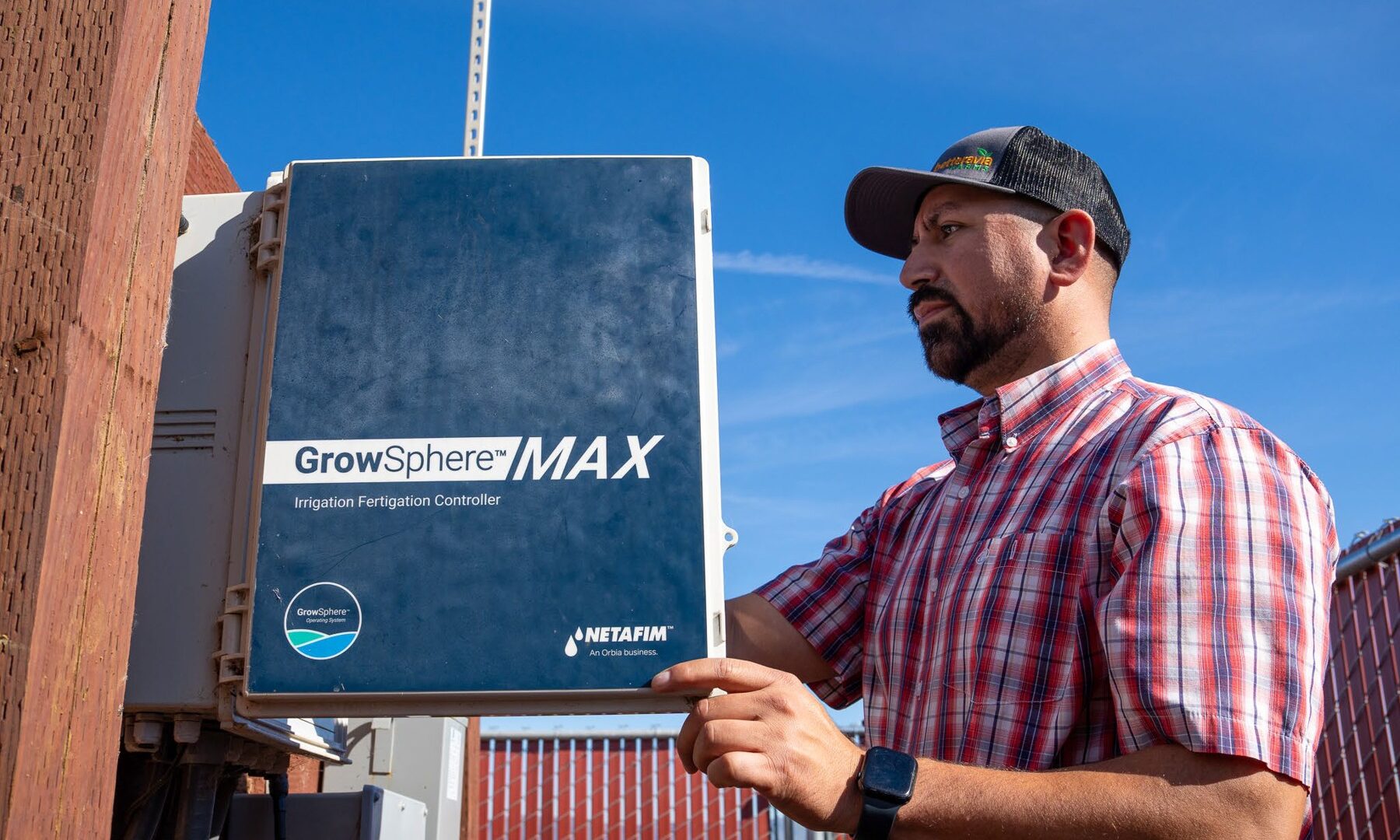
Lilze recommends that growers establish a block-level baseline before installing irrigation automation or remote monitoring. That means documenting water, pumping energy or fuel, fertilizer, irrigation labor, weed-management costs, maintenance, yield and packout. The ownership model should then include communications, subscriptions, replacement sensors, calibration and staff time.
The strongest irrigation returns, she said, generally occur when monitoring is connected to physical control. Flow and pressure monitoring, remote alerts and pump and valve automation can eliminate routine field checks and warn crews about leaks, failed valves or missed irrigation sets. Precision fertigation can reduce losses by delivering nutrients closer to crop demand and the active root zone.
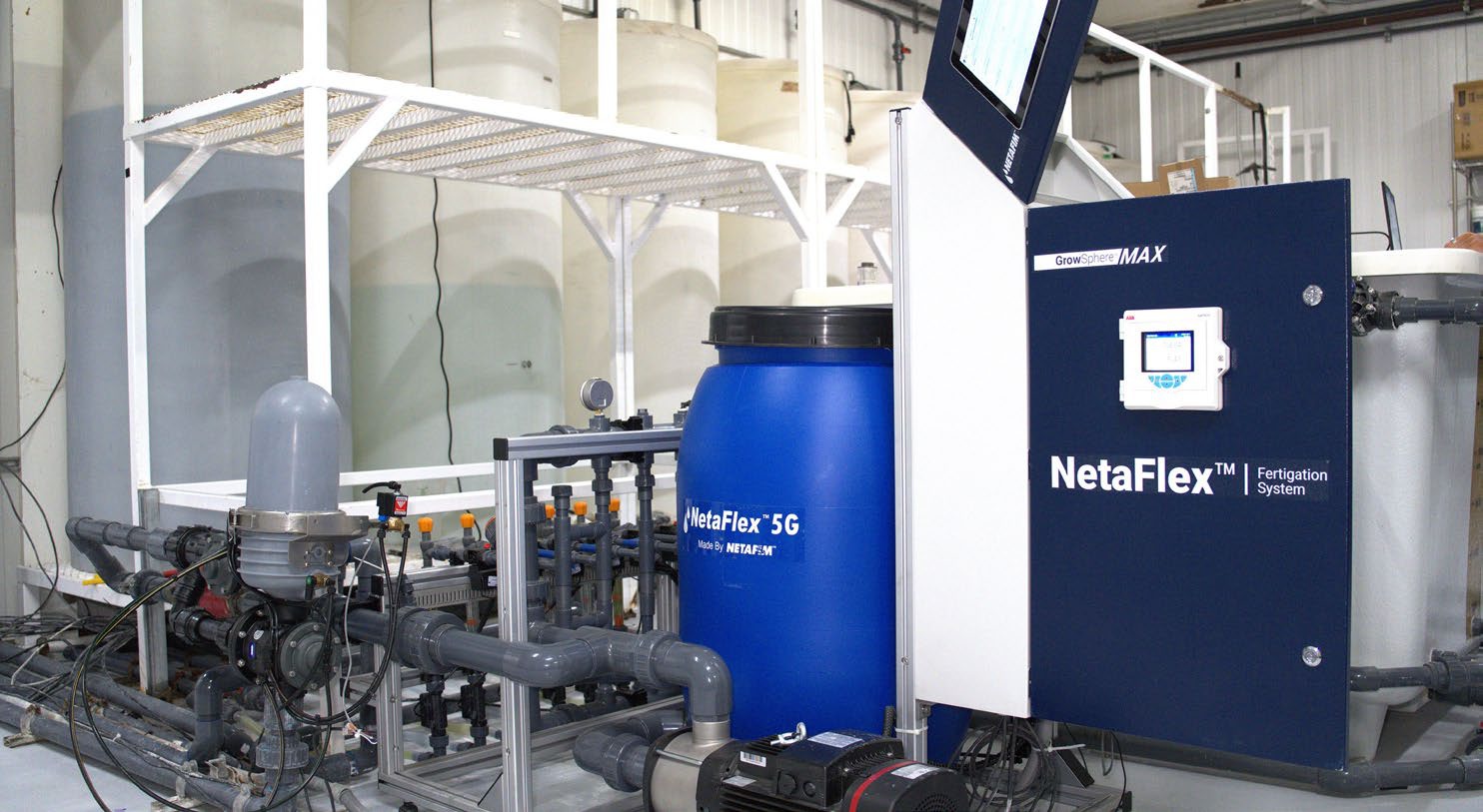
“Some of the most valuable returns never appear on a traditional ROI spreadsheet because they represent losses that never occurred,” Lilze said. “When evaluating technology investments, growers should consider both the resources they save and the risks they avoid.”
Make the Pilot Resemble Production
Demonstrations are designed to show technology at its best. A commercial field introduces weed pressure, uneven terrain, dust, variable crop size, changing light and operators with competing responsibilities. Technology companies and growers therefore need to test not only whether a tool works, but whether it performs consistently at production speed.
Yang Fang, founder and CEO of California agricultural robotics company Beagle Technology, said reliability is especially important during harvest.
“A machine working well for a two-hour demo is very different from working every day during harvest,” Fang said. “A cheaper machine with a lot of downtime can ultimately be much more expensive.”
When dealing with harvest equipment, Fang noted a one- to two-year payback attracts attention, but the model must include acres harvested, seasonal utilization, maintenance and downtime. A breakdown during harvest can cost more than the repair when a perishable crop is left in the field.
Palone has reviewed more than 100 ag-tech ROI calculators and regularly sees capacity assumptions that do not reflect commercial use. A precision weeder, for example, slows as weed density rises. Some projections even include gains expected from future equipment versions.
“You can’t fold that future performance into the calculation and cost today,” Palone said. “You have to look at what the machine can actually perform at now.”
A stronger pilot starts on consistent fields where a dedicated team can learn the equipment and accumulate productive acres. The machine should face normal operating conditions, but it should not be sent immediately into the farm’s worst field and expected to solve every problem. Its output also should not be counted fully in the production plan until the team understands its limits.
Service may be the most important test. Growers should establish who will respond, how quickly technicians and parts are available and whether the equipment can operate manually when communications fail. For systems using computer vision, Palone recommends asking how quickly a vendor can retrain a model for a new soil color, weed, crop or field condition. A response measured in weeks or months is a warning when the production window may last only days.
The 2027 Test
The technologies positioned for broader adoption in 2027 turn intelligence into an action the operation already understands. That includes automated weeding and thinning, precision application, labor-saving harvest equipment and irrigation systems connecting field conditions with pumps, valves and flow control.
AI is likely to gain ground when it is embedded in equipment and workflows rather than presented as another platform to manage. A dashboard that delivers more data but no clear next step can add labor instead of reducing it. A system that alerts a manager to a pressure loss, directs an application or helps a machine distinguish crop from weed has a clearer path to value.
The return does not have to come from eliminating a crew. At TopFlavor, the SharpShooter changes when workers enter the field, how quickly they move and how predictably the farm can budget a volatile expense. Alameda said growers can start with current hand-weeding costs per acre, use realistic machine utilization and work backward from a one- to two-year payback.
“Labor is the one input cost we can push back against,” Alameda said. “With fuel, fertilizer and chemistry, we’re bystanders in those purchasing decisions. This is a tool that lets us do something about the one line we can influence.”
For growers evaluating their next purchase, that is the practical divide between a promising pilot and a durable investment. The technology that earns a place in the 2027 budget will not be the one with the most impressive label. It will be the one that performs through an entire season, fits the people and equipment already on the farm and leaves a measurable return after every cost is counted.