From the November 2026 digital edition · Read on magazine page 4
Listen to this article (3 min)
Watch the video version (3 min, the story’s slides with the narration)
I like a big idea. Give me a new way to grow a business or put technology to work, and you’ve got my attention. With everything happening in AI and automation, there’s plenty to get excited about.
But when we’re looking for ways to improve our businesses, I think there’s a question we ought to ask first: How well are we doing the things we already know matter?
You know your ground, your crops and the work it takes to get through a season. The challenge is keeping that work consistent when you’re managing more acres, more people and a long list of decisions that all seem urgent.
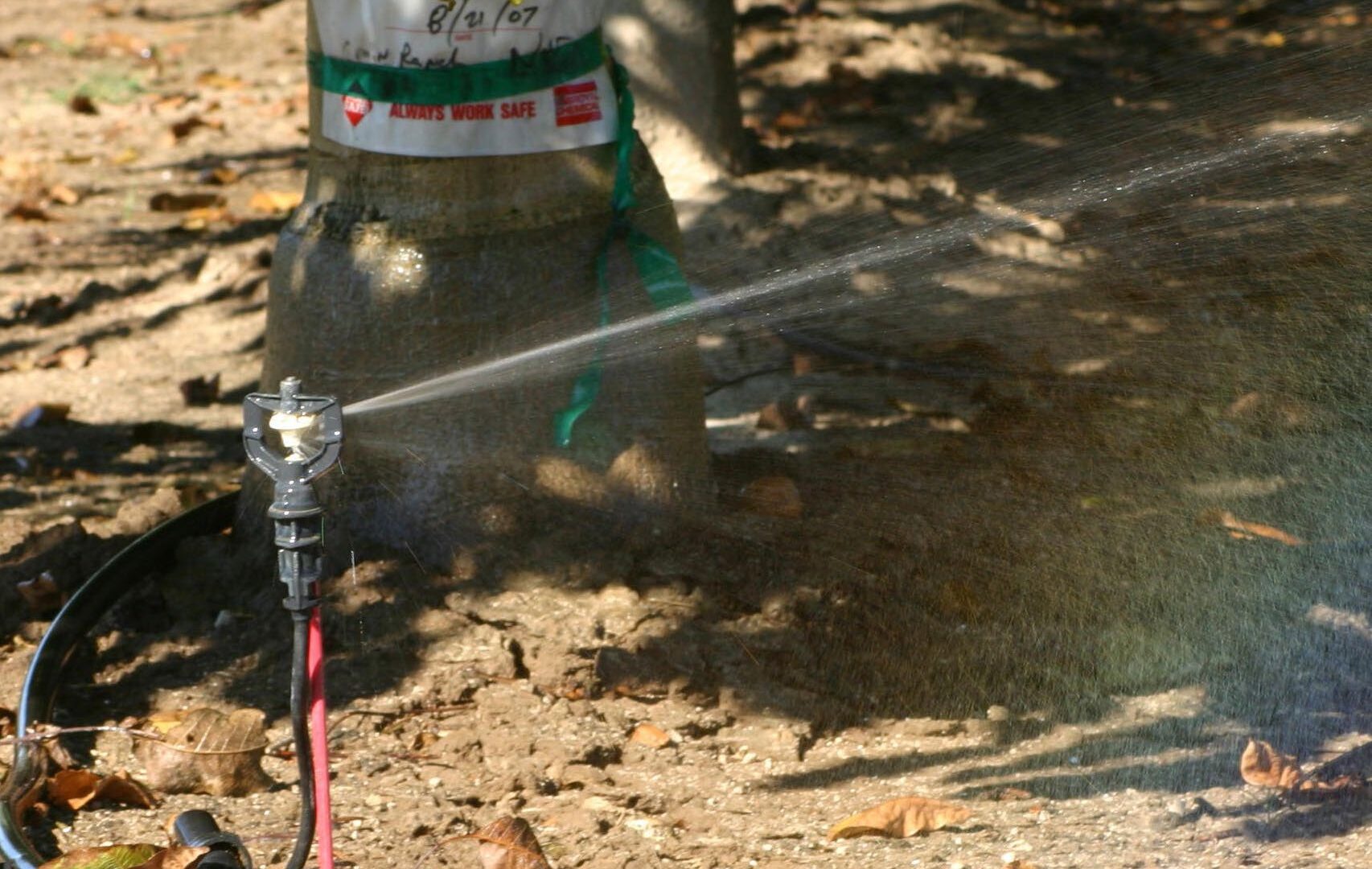
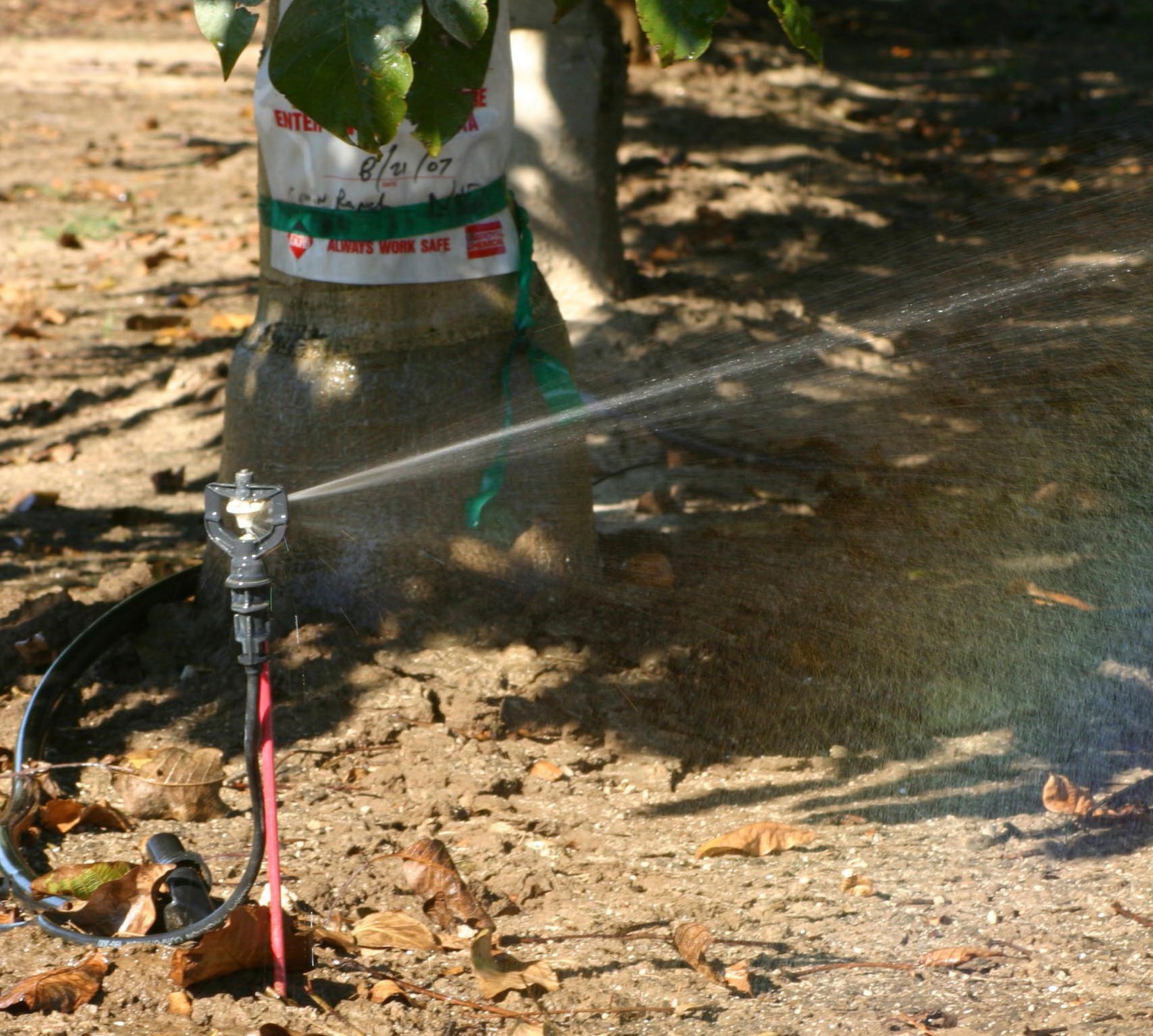
That’s where the fundamentals deserve another look. Is the irrigation system getting checked? Is someone following through on the PCA’s recommendations? Is the equipment ready when the crew needs it? These are everyday management questions worth asking before the next busy stretch.
The Value of Getting the Basics Right
The financial side deserves the same attention. I want to know where a business is making money and where it’s giving it away. On a farm, that means looking beyond overall production numbers and understanding what it costs to produce and deliver a marketable crop.
For example, saving $25 an acre in avoidable expenses across 1,000 acres leaves $25,000 in the business, assuming revenue and other costs stay the same. That’s worth looking for. The key is finding waste without cutting something the crop needs.
Then there’s communication. Saying something needs to get done is easy. Making sure somebody owns it, understands the expectations and follows through takes more effort. As owners, we also have to give people the information and support to do the job well.
A short weekly conversation with the right people can help. What needs to happen this week? What’s holding it up? Where do we need to make a decision? Give your team room to speak up. The person closest to the work may see a problem before it reaches your desk.
Making Technology Work for You
I’d bring the same questions to any new technology purchase. What problem will it solve? Who will use it? How will we know it’s helping? A tool earns its place when it makes an important part of the operation work better.
My suggestion is to pick one recurring frustration this month. Maybe it’s a repair that keeps getting postponed or a job that regularly takes longer than expected. Get the people involved together, agree on a better way to handle it and check back to see whether it worked.
That’s the kind of conversation I want Enterprise Ag to encourage: practical ideas you can take back to your operation and use. We can learn a lot from one another by sharing what’s working and being honest about what still needs attention.
Keep looking for the next opportunity. While you’re at it, take a fresh look at the work already in front of you. There may be more room to improve there than you think.