I spend my time looking at crops, talking with growers and deciding what needs attention. When I look at technology, that is the work I have in mind. I want to understand how a tool helps me collect information, use it or get it to the people who need it.
There are useful opportunities in that everyday work. A scouting observation needs to become a record. A measurement needs to help us understand the field. A grower needs information that supports a decision. That is where I would begin when considering what an operation should invest in next.
Start with something you already do
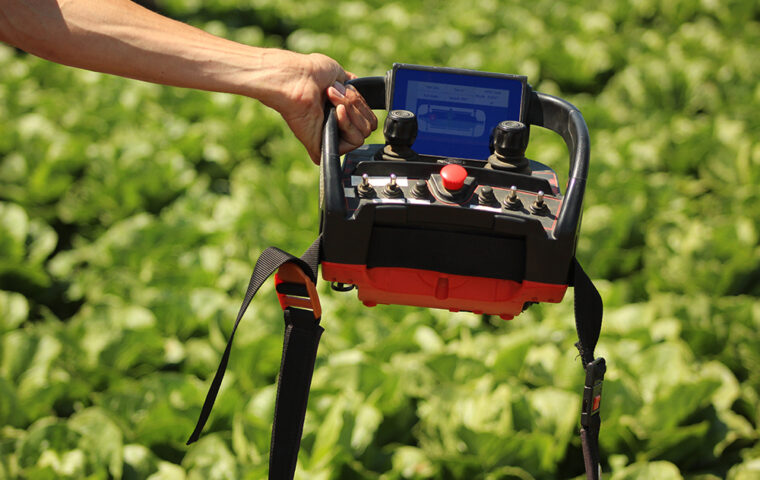
Tellia has been very helpful in my work. I have used it for a little over a year, and it is getting better and better. It lets me talk into my phone while I am scouting and records my observations, inspections and trapping information.
It organizes that information by grower and field. It includes maps, identifies where I am and lets me retrieve the information to prepare reports for growers. That fits directly into a job I am already doing in the orchard.
What I like is being able to describe what I see while I am there and have it organized so I can use it afterward. I still have to do the scouting and understand the crop. The software helps me work with the information I collect.
I still have to do the scouting and understand the crop. The software helps me work with the information I collect.
Gary Osteen
If you are considering something similar, start with a report your operation needs. Follow it from the field observation to the person who receives it. Who records the information? How do you know which block it belongs to? Can the manager or grower get back to it when a question comes up?
Have the people who will use the tool work through a real task. Let them see how it fits into their day and how the information reaches the next person. You will have a much clearer idea of its value.
Know what the measurement represents
Irrigation monitoring can help us make decisions, but placement is important to getting useful information. You need to know the soil and the trees around a monitoring point. Then you can think about how well that point represents the area you are managing.
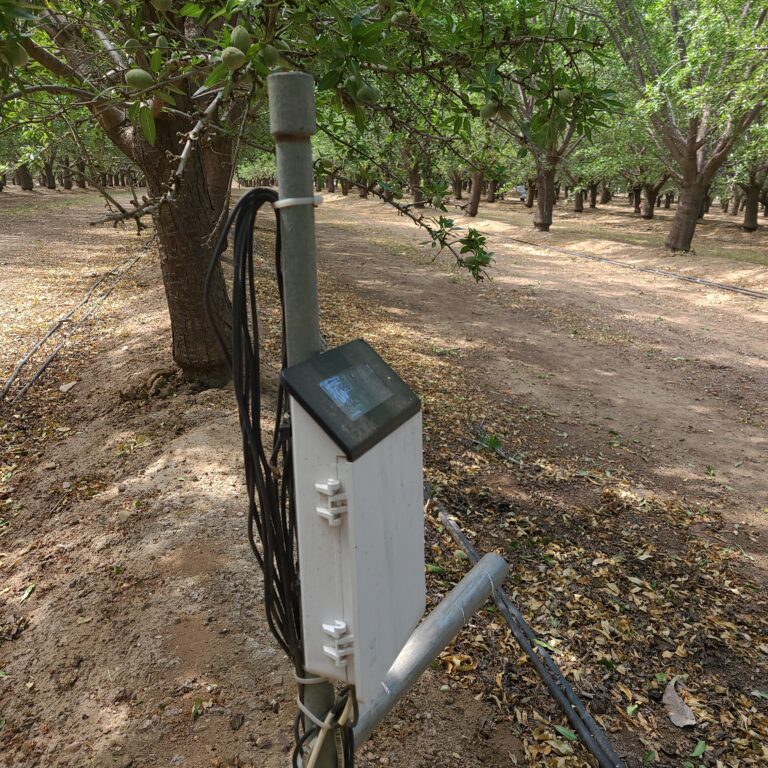
Fields vary. A reading from one tree or a small area gives you information about that location. When you are making a decision for a larger acreage, you need to put that reading alongside what you know about the rest of the field.
I would discuss that with the adviser before expanding a monitoring program. Where should we collect information? Which parts of the field are similar? Where do we need another observation? Knowing your ground helps you decide how to interpret what the system tells you.
Pressure chambers are good tools, too. You also have to account for the time and people needed to take readings at the appropriate time of day. That practical side matters when you are deciding how a monitoring program will work throughout the season.
Be clear about who will collect the information, who will look at it and what decision it will help you make. When those pieces are understood, the measurement has a place in the operation’s regular work.
Use AI for a useful information task
Another tool I use is ChatGPT. Sometimes I have a product in the back of my mind and cannot quite remember its name. I can ask about it and get an answer, or several possibilities, that help me recognize what I was trying to remember.
That has been useful for information searches. Once I have an answer, I check it to make sure it is right before putting the information to use.
For a farm operation, that is a practical place to start thinking about AI. Find an information task where assistance would help. Decide who will review the result and how it will be used. Keep the process understandable for the people doing the work.
Give people time to get comfortable
Getting comfortable with a new tool means learning the vocabulary and understanding what the system is asking you to do. I need to know what information to give it and how to ask for what I want back.
Training should connect those steps to familiar field work. Take an observation from an orchard your team knows. Enter it, find it again and show how someone else will use it. That gives the terminology a practical meaning and lets people ask questions as they go.
The provider can be a useful partner in that process. Ask for explanations and demonstrations around the jobs your employees actually perform. Make sure the people expected to use the system have an opportunity to practice. Their understanding is part of making the investment work.
Try it on representative ground
If you want to evaluate a new approach in your own fields, keep the first comparison manageable. Find a representative area with similar conditions. You might divide a field, use the approach in one part and compare it with the other part.
You should know your fields well enough to choose a sensible location. Think about the soil, crop condition and other differences that could affect what you see. The purpose is to learn how the approach performs under your conditions.
Decide what you are looking for before you begin. If the question involves a crop response, know what you will observe. If it involves reporting, look at how the information is collected and used. Give the comparison a clear purpose that everyone involved understands.
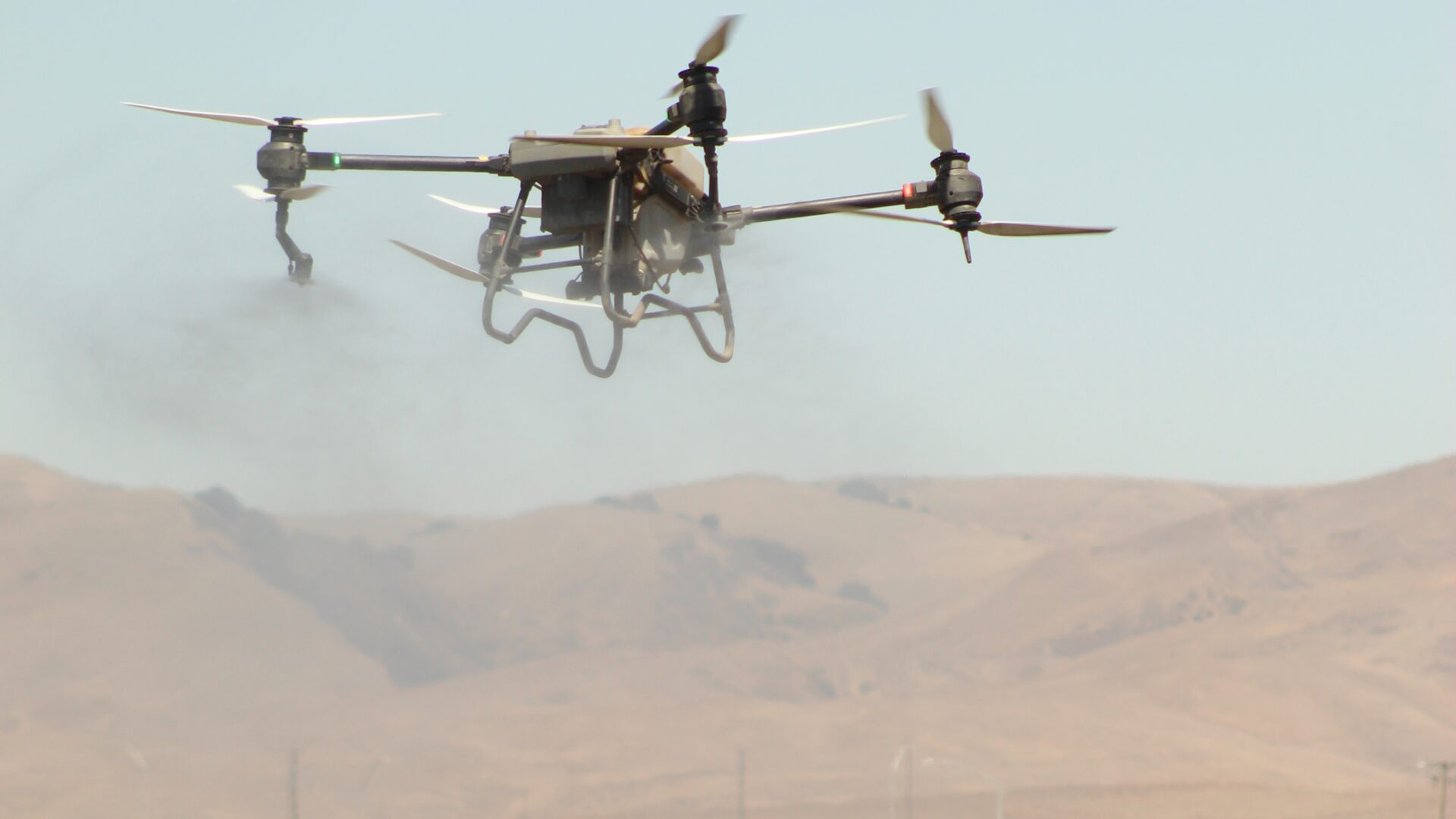
I did an exploratory drone application trial in almonds this season that showed some potential. It gave me something to keep evaluating. That is a useful way to approach a promising first result: understand what you saw and decide what you need to learn next.
Review the conditions around the result with your adviser. Keep the comparison straightforward, but pay attention to details that affect its meaning. Your own field experience can help you decide whether an approach deserves a broader evaluation.
Put the next investment where it helps
If you ask me to choose among equipment, technology, training and more crop advising, I naturally lean toward advising. But each can be worthwhile. The right choice depends on what is holding the operation back and what improvement would help the work get done.
If you need more capacity to cover your acres on time, look at equipment. If people need a better understanding of their jobs, look at training. If a tool can help with a specific information task, give it a practical evaluation with the people who will use it.
The same thinking applies to familiar work such as residual weed management. Each field can have a different weed complex. Know those differences and build the program around them. Good information is useful when it guides the work.
Our work takes us to 45 growers each week across different sites and management programs. We see what works under different conditions. Bring that perspective into the conversation with your own field records and staff experience. Then choose a useful improvement, put it to work and see what you learn.
Publisher’s Top 5
Five Takeaways from Gary Osteen
1. Start with a real need
Identify a specific task or problem before investing in new technology.
2. Understand your measurements
Consider soil conditions, field variability and sensor placement when interpreting data.
3. Use AI as a tool, not a final authority
Verify AI-generated information before using it to make decisions.
4. Invest in employee training
Give workers opportunities to practice with new tools using familiar tasks.
5. Test before expanding
Evaluate new technology under representative field conditions before committing to a larger investment.
Frequently asked
How should an operation start evaluating new farm technology?
Start with a report your operation needs. Follow it from the field observation to the person who receives it.
How can growers test a new approach in their own fields?
Find a representative area with similar conditions. You might divide a field, use the approach in one part and compare it with the other part.