Five ways better storytelling can build trust, strengthen relationships and make your message more memorable
If there’s one business lesson I’ve learned over the years, it’s this: the best storytellers usually win.
It doesn’t matter if you’re in sales, marketing, advertising or standing in front of a room full of growers. Every one of those comes down to one thing: telling a story that people remember. It is just as true across a desk from a lender, in a room with a buyer, at a county hearing, or in a kitchen with the son or daughter deciding whether to come back to the operation.
The best movies tell great stories. The best commercials tell great stories. The best keynote speakers tell great stories. Even the best salespeople I’ve ever met weren’t just selling products. They were helping people see what was possible through a story.
Agriculture is no different.
I think our industry has some of the greatest stories in the world. We have family farms that have survived for generations. We have PCAs solving problems that nobody thought could be solved. We have companies that have quietly changed growers’ businesses for decades.
Those stories deserve to be told.
Plenty of operations run the business far better than they talk about it. The numbers are in order, the ground is in good shape, the plan is sound, and the story behind all of it never leaves the farm office.
Too many of us jump straight into product features, technical data and company history. While those things matter, they rarely make someone remember you. Stories do.
Stories also make you memorable. I’ve been to hundreds of trade shows, conferences and sales meetings over the years. I honestly can’t remember most of the brochures or PowerPoint presentations. But I can remember the people who told a great story. Those are the conversations that stick with you long after the meeting is over.
Here are five ways to become a better storyteller.
Too many of us jump straight into product features, technical data and company history. While those things matter, they rarely make someone
remember you. Stories do.
1. Paint a Picture
Don’t just tell me it was a difficult season. Let me feel it.
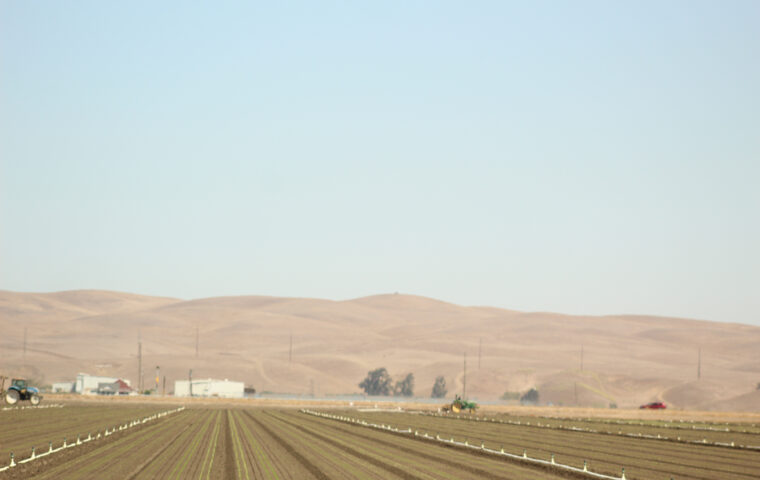
Tell me it was 108 degrees, the dust was blowing across the orchard, and you could see the concern on the grower’s face before he even stepped out of the truck.
The more visual your story is, the more people remember it.
2. Build Trust
Anyone can say they have the best product or the best customer service. Every competitor says that. But when you tell the story of a grower who faced the same challenge your customer is facing today, something changes.
People stop listening to a sales pitch and start seeing themselves in the story. That works on a lender the same way it works on a customer. Bankers have heard operations explain a hard year, but they haven’t heard how yours got through it.
3. Create Curiosity
Hollywood has mastered this.
Great storytellers don’t tell you everything upfront. They pull you into the story, making you wonder what happened next. Let your audience take the journey with you instead of jumping straight to the ending.
4. People Buy Outcomes
The best salespeople don’t just explain what a product does. They help customers imagine what life looks like after the problem is solved. Maybe it’s a better harvest. Maybe it’s saving time. Maybe it’s less stress. Maybe it’s simply getting home in time for dinner with the family. The same holds when you are the one asking. A lender is not buying your balance sheet. He is buying his own confidence that you will still be farming in 10 years.
5. Tell Your Story With Energy
Watch great communicators. They use hand gestures. They change their tone. They pause for emphasis. They ask questions. They smile. They even laugh at themselves once in a while.
They’re not acting. They’re connecting. Authenticity will always beat perfection.
Authenticity will always beat perfection.
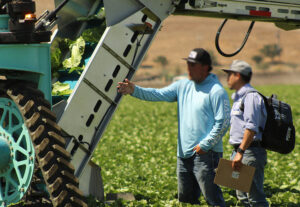
Every Company Has a Story Worth Telling
One of the things I love most about agriculture is that every company has a story.
Maybe it’s the founder who started the business in a garage or on the tailgate of a pickup. Maybe it’s a fourth-generation family operation that’s still doing things the right way. Maybe it’s an innovation that changed the way growers farm. Or maybe it’s simply a team of people who care deeply about helping their customers succeed.
Those stories are often your biggest competitive advantage, yet they’re the ones that go untold.
So here’s my challenge for you.
The next time you’re writing a marketing piece, meeting with a customer, sitting down with your lender, hiring someone you want to keep for 20 years or speaking at an event, don’t start by asking yourself, “What do I want to say?”
Instead ask, “What’s the story they’ll remember?”
Because facts educate. Features explain. But stories build trust, inspire action and create relationships that last.
Frequently asked
Why do stories matter in agricultural communication?
Because facts educate. Features explain. But stories build trust, inspire action and create relationships that last.